
HeFi Flex™ — For a New Era of Renewable Carbon
At Epyfia, we have developed a fundamentally different approach to biorefining — one that respects the natural complexity of biomass rather than fighting it. The HeFi Flex™ process transforms abundant second-generation feedstocks into high-purity, high-value streams with exceptional efficiency and minimal environmental impact.
A Non-Destructive, Principles-Driven Platform
We begin with non-food biomass — fast-growing poplar, agricultural residues such as corn stover and bagasse, and other sustainable sources. Using a gentle, fractionation-first approach, HeFi Flex™ separates cellulose, hemicellulose, and lignin while carefully preserving the native structure of each component.
This is not another harsh pretreatment. It is a carefully engineered system that strictly follows the 12 Principles of Green Chemistry — delivering near-quantitative yields without generating significant waste or destroying valuable molecular structures.
From Protected Intermediates to Premium Products
The preserved fractions are then separated and upgraded through efficient, closed-loop operations. In particular, our protected lignin yields high-purity monolignols and related intermediates that serve as versatile building blocks. These can be catalytically converted into specialty chemicals such as vanillin and a broad range of higher-value aromatic compounds — creating revenue streams far beyond traditional low-grade lignin uses.
The result is full feedstock valorization: every major component becomes a high-margin product rather than a byproduct.
Why HeFi Flex™ Stands Apart
HeFi Flex™ is not an incremental improvement on existing biorefining technologies — it is a fundamentally more elegant and effective platform. By combining non-destructive fractionation, near-quantitative yields, and closed-loop efficiency, it delivers superior economics and genuine sustainability in one integrated system.
While others compromise on yields, lignin quality, or environmental impact, our process achieves outstanding performance across every critical metric. The result is a biorefinery platform that is not only greener, but also more profitable and scalable. Here’s why leading partners and investors are taking notice:
Feedstock Agnostic
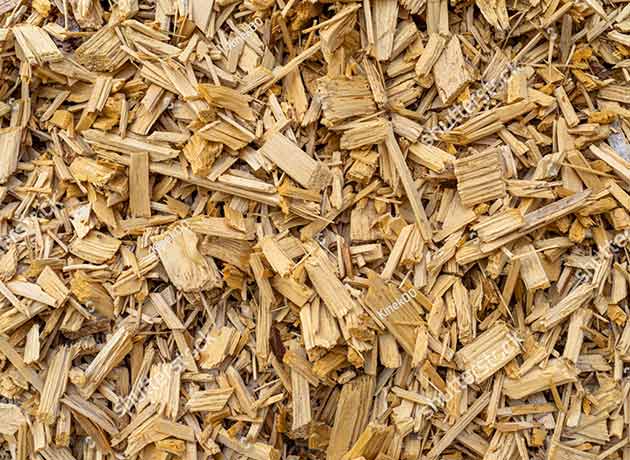
The process works across a wide range of second-generation, non-food feedstocks such as hybrid poplar and bagasse. We avoid competing with food production or new agricultural systems.
Conventional Equipment
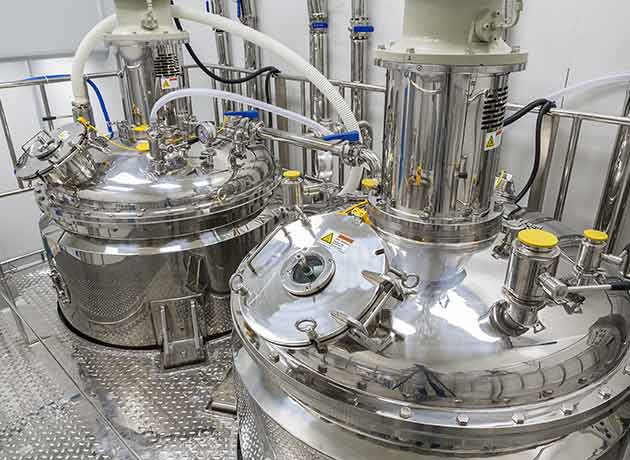
We utilize proven, scalable equipment common in the pulp & paper, petrochemical, and chemical industries. This enables faster deployment and lower capital intensity.
Green Chemistry
Every step is designed around prevention, atom economy, safer solvents, energy efficiency, and renewable feedstocks. We use them as a rigorous design philosophy — not just standards to meet.
Superior Valorization

We achieve near-quantitative recovery of cellulose, hemicellulose, and lignin in their most useful forms. No significant losses, no low-value burning, and no wasted carbon.
High-Value Products
Protected, native-like lignin opens premium applications in advanced materials, specialty chemicals, resins, and aromatics — turning a typical liability into a major economic driver.
Energy Efficient by Design

Fractionation, separation, solvent recovery, and catalytic upgrading all operate with significantly lower energy demand than competing biorefining technologies.
Low Carbon Footprint
We target net-zero operations with significantly lower CO₂ emissions than kraft pulping or petrochemical pathways — achieved through high efficiency and minimal process losses.
Renewable Energy
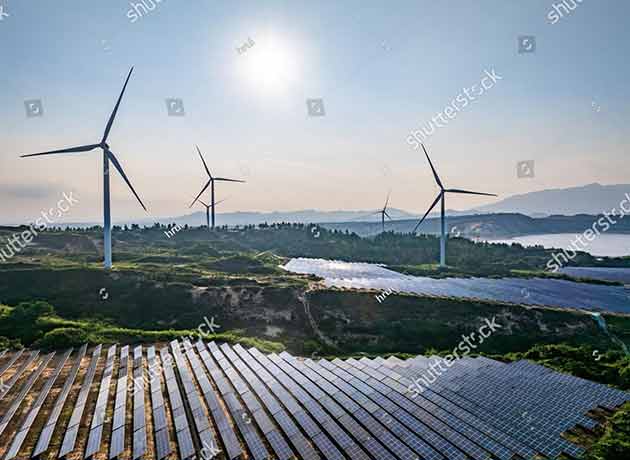
Pilot and commercial plants are designed to operate on 100% renewable electricity, using green power procurement from suppliers when needed to ensure clean and sustainable power.
Zero Waste Discharge
We target complete zero liquid discharge through minimal water usage using our highly efficient closed-loop recovery and recycling of all solvents, water, and all process streams.
Built for the Future
HeFi Flex™ is more than an improved biorefinery technology. It is a platform that finally makes second-generation biomass economically competitive with fossil-based chemistry — while delivering genuine sustainability, not greenwashing.
This elegant, closed-loop system positions Epyfia to produce drop-in and novel biobased materials and chemicals that the market actually wants — at scale, with real margins, and without compromise.
Overcoming the Challenges of Lignin
Lignin is the tough, glue-like material that gives plants strength and rigidity. You can think of it as the reinforcing concrete in a plant’s cell walls — it helps stems stand upright, makes wood hard, and protects plants from pests and disease.
Lignin is built from small chemical building blocks called lignin monomers. The three main types are known as H, G, and S units.

These units connect to each other in different patterns, similar to snapping LEGO® bricks together in various ways. Common connections include linkages such as β-O-4 (the most frequent and useful one), β-β, β-5, 4-O-5, 5-5, and Dibenzodioxocin. These linkages help determine how strong or how easy to break the lignin is.
In addition to the main H, G, and S units, many plants (especially grasses such as corn and wheat) attach smaller side groups to their lignin, such as p-coumarate, p-hydroxybenzoate, ferulate, and acetate that act like decorative attachments or side chains, while cinnamyl alcohol is an end group. One special compound called tricin can also join the main structure in certain plants, behaving more like an additional building block (T).
Traditional pretreatment processing (e.g., kraft) damage lignin by triggering condensation reactions. These reactions cause the building blocks to form strong, unwanted carbon-carbon (C-C) bonds — like the pieces gluing themselves into a hard, tangled mess. This makes the lignin darker, more rigid, and much harder to use for anything valuable.
Our team’s HeFi Flex™ pretreatment process is designed to solve this problem. It protects the lignin by preventing these condensation reactions and preserving the natural carbon-oxygen (C-O) bonds which provide gentler, more flexible bridges that are easier to work with.
By keeping these C-O bonds intact, the resulting “protected lignin” stays closer to its original form, often referred to as “native lignin” as opposed to “technical lignin” which is condensed lignin. This makes it easier to separate cleanly from the rest of the plant material. The protected lignin can then be used as it is for products like adhesives, coatings, or plastics — or it can serve as high-quality building blocks for creating valuable chemicals (e.g., pharmaceutical precursors, flavorings, fragrances) and materials — including many which are currently derived from fossil carbon sources. Overall, this approach reduces waste and unlocks far more value from every part of the plant.